my approach:
Before I suggest anything, I need to understand the whole picture in details. Otherwise, how do I know my solution fits?
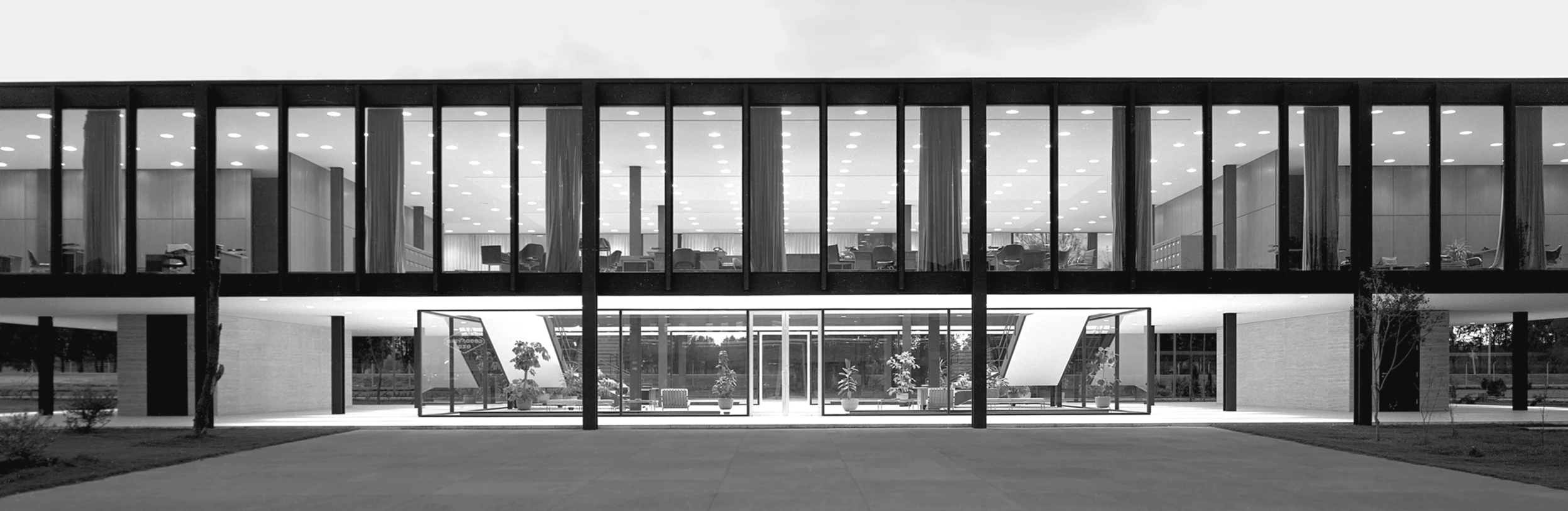
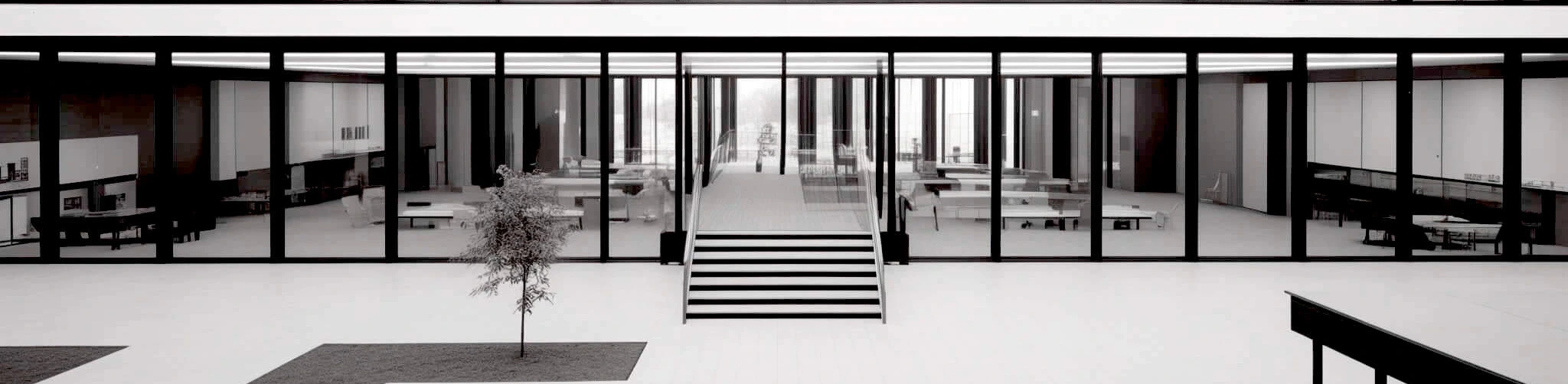
Think of it like building a terrace: I could just build it. But if I don't know where the sun rises, what kind of ground you have and what's already in your yard, — will it be as good?
1
identify the task
As a business analytic I communicate with stakeholders interviewing them on insights and challenging issues. By analyzing collected data I define the core task.
Sometimes research can reveal that the problem isn't what it initially appears to be, as it was in case of HR process optimization for the corporate business.

2
SET GOALS AND METRICS FOR SUCCESS
As a product manager I extract business objectives and together with client establish success metrics.
Objectives and Key Results (OKR) approach shifts the focus from simply completing tasks to directly contribute to the desired impact.
3
DESIGN THE SOLUTION
As an information architect andUX designerI analyze and visualize user and data flows, sketch ideas and prototypes of the desired result.
Creating wireframes gives a pretty accurate visualization that helps stakeholders to see all pros and cons. Also it's a clear task for the designers and developers.
4
build the product
As a project manager I estimate the scope of work, calculate budgets, project pipleline with milestones and highlight potential risks at each stage. I find the right designers, illustrators, and developers.
I choose the tools and create a plan to test the final product.
5
IMPLEMENT THE SOLUTION
When I implement a solution for internal use, as a transformation manager I accompany the implementation: change process, plans and goals, workshops, guidelines.
Constantly supporting the team during the transformation process allows teams to avoid difficulties and ensures me that the integration will be seamless and easy.
6
MEASURE RESULTS AND IMPROVE
After the work is done, as a project driverresponsible for project results, I remain engaged with the client and measure the success.
Collaborating with stakeholders, we review the outcomes and evaluate projects' performance. Using collected data, we assess the project's value and impact.
Does this sound like your kind of approach?
We can collaborate for both small
tasks and long-term projects
my approach:
Before I suggest anything, I need to understand the whole picture in details. Otherwise, how do I know my solution fits?
Think of it like building a terrace: I could just build it. But if I don't know where the sun rises, what kind of ground you have and what's already in your yard, — will it be as good?
1
identify the task
As a business analytic I communicate with stakeholders interviewing them on insights and challenging issues. By analyzing collected data I define the core task.
Sometimes research can reveal that the problem isn't what it initially appears to be, as it was in case of HR process optimization for the corporate business.
2
SET GOALS AND METRICS FOR SUCCESS
As a product manager I extract business objectives and together with client establish success metrics.
Objectives and Key Results (OKR) approach shifts the focus from simply completing tasks to directly contribute to the desired impact.
3
DESIGN THE SOLUTION
As an information architect andUX designerI analyze and visualize user and data flows, sketch ideas and prototypes of the desired result.
Creating wireframes gives a pretty accurate visualization that helps stakeholders to see all pros and cons. Also it's a clear task for the designers and developers.
4
build the product
As a project manager I estimate the scope of work, calculate budgets, project pipleline with milestones and highlight potential risks at each stage. I find the right designers, illustrators, and developers.
I choose the tools and create a plan to test the final product.
5
IMPLEMENT THE SOLUTION
When I implement a solution for internal use, as a transformation manager I accompany the implementation: change process, plans and goals, workshops, guidelines.
Constantly supporting the team during the transformation process allows teams to avoid difficulties and ensures me that the integration will be seamless and easy.
6
MEASURE RESULTS AND IMPROVE
After the work is done, as a project driverresponsible for project results, I remain engaged with the client and measure the success.
Collaborating with stakeholders, we review the outcomes and evaluate projects' performance. Using collected data, we assess the project's value and impact.
Does this sound like your kind of approach?
We can collaborate for both small
tasks and long-term projects
my approach:
Before I suggest anything, I need to understand the whole picture in details. Otherwise, how do I know my solution fits?
Think of it like building a terrace: I could just build it. But if I don't know where the sun rises, what kind of ground you have and what's already in your yard, — will it be as good?
Before I suggest anything, I need to understand the whole picture in details. Otherwise, how do I know my solution fits?
Think of it like building a terrace: I could just build it. But if I don't know where the sun rises, what kind of ground you have and what's already in your yard, — will it be as good?
1
identify the task
As a business analyst I communicate with stakeholders interviewing them on insights and challenging issues. By analyzing collected data I define the core task.
Sometimes research can reveal that the problem isn't what it initially appears to be, as it was in case of HR process optimization for the corporate business.
2
SET GOALS AND METRICS FOR SUCCESS
As a product manager I extract business objectives and together with client establish success metrics.
Objectives and Key Results (OKR) approach shifts the focus from simply completing tasks to directly contribute to the desired impact.
3
DESIGN THE SOLUTION
As an information architect and UX designer I analyze and visualize user and data flows, sketch ideas and prototypes of the desired result.
Creating wireframes gives a pretty accurate visualization that helps stakeholders to see all pros and cons. Also it's a clear task for the designers and developers.
4
build the product
As a project manager I estimate the scope of work, calculate budgets, project pipleline with milestones and highlight potential risks at each stage. I find the right designers, illustrators, and developers.
I choose the tools and create a plan to test the final product.
5
IMPLEMENT THE SOLUTION
When I implement a solution for internal use, as a transformation manager I accompany the implementation: change process, plans and goals, workshops, guidelines.
Constant support during the transformation process allows teams to avoid difficulties and ensures stakeholders that the integration will be seamless and easy.
6
MEASURE RESULTS
AND IMPROVE
After the work is done, as a project driver responsible for project results, I remain engaged with the client and measure the success.
Collaborating with stakeholders, we review the outcomes and evaluate projects' performance. Using collected data, we assess the project's value and impact.
We can collaborate for both small
tasks and long-term projects