Optimising internal HR processes
My role:
Solution Designer
Information Architecture
Information Architecture
Information Architecture
Information Architecture
Information Architecture
Information Architecture
Information Architecture
Information Architecture
Information Architecture
Information Architecture
Information Architecture
Task: Select and implement HR software to automate employee data acquisition and reports for C-Level management.
The company I worked for had several offices in different countries and recently experienced a significant growth.
Top-level managers required accurate employee data to make decisions. Inaccurate data had the potential to create costly mistakes. The time for gathering such information could take up to two weeks and might not be up-to date.
HR Department hired me to select and implement HR Software to automate their HR Processes.
My goal in this project was to optimize and automate HR data acquisition process.
Process
Stage 1: Research and Findings
To solve this case I needed to gather as much information as I could. I began with an internal investigation to identify the pain points of all the stakeholders.
When conducting the research I:
Identified stakeholders
Formulated questions for problem-focused interviews
Conducted 20+ interviews
The interviews helped me understand the bottlenecks of data-gathering processes. Various departments maintained records in different formats that couldn't be consolidated. In other words, all employee data was scattered, causing three major problems:
Time consuming communication between departments.
Large numbers of errors due to manual data entry.
Existing formats made it impossible to analyse data and obtain comprehensive statistics.
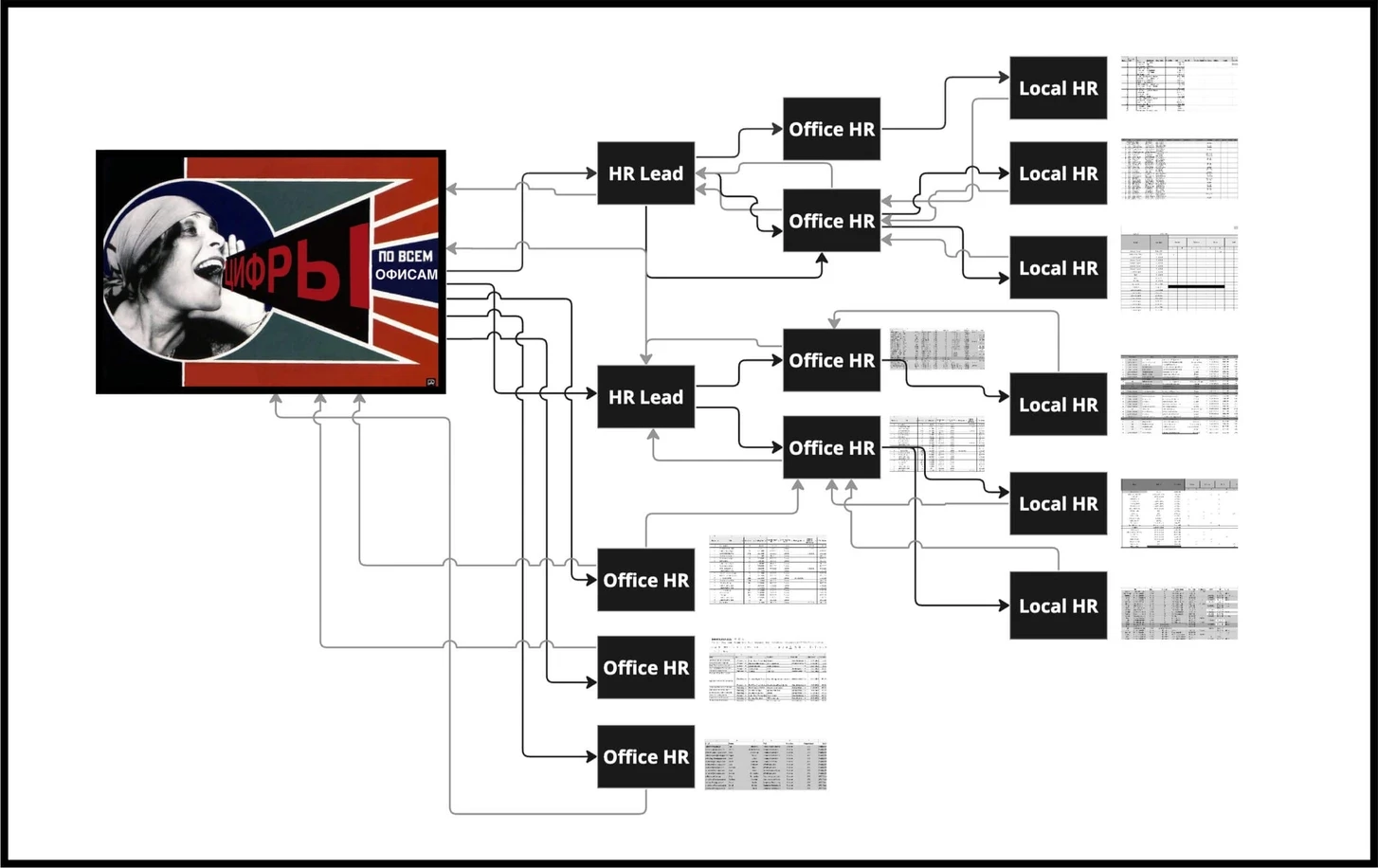
Manual employee data gathering process
Stage 2: Tentative solution at a low cost
After sharing the research findings with stakeholders, I proposed a solution that fixed at least 2 of 3 problems shown above.
Following OKR (Objectives and Key Results) methodology I defined that the first added value of this project must be optimizing systems to get needed reports in 10 minutes compared to several weeks.
To achieve this goal, a few things were necessary:
Unify organizational structure to be able to analyze and manage it.
Develop and implement standards for data entry format across all offices in order to generate reports and analyze them later.
Create different access permissions for sensitive and personal data.
Prepare and support HR specialists for the new data entry process.
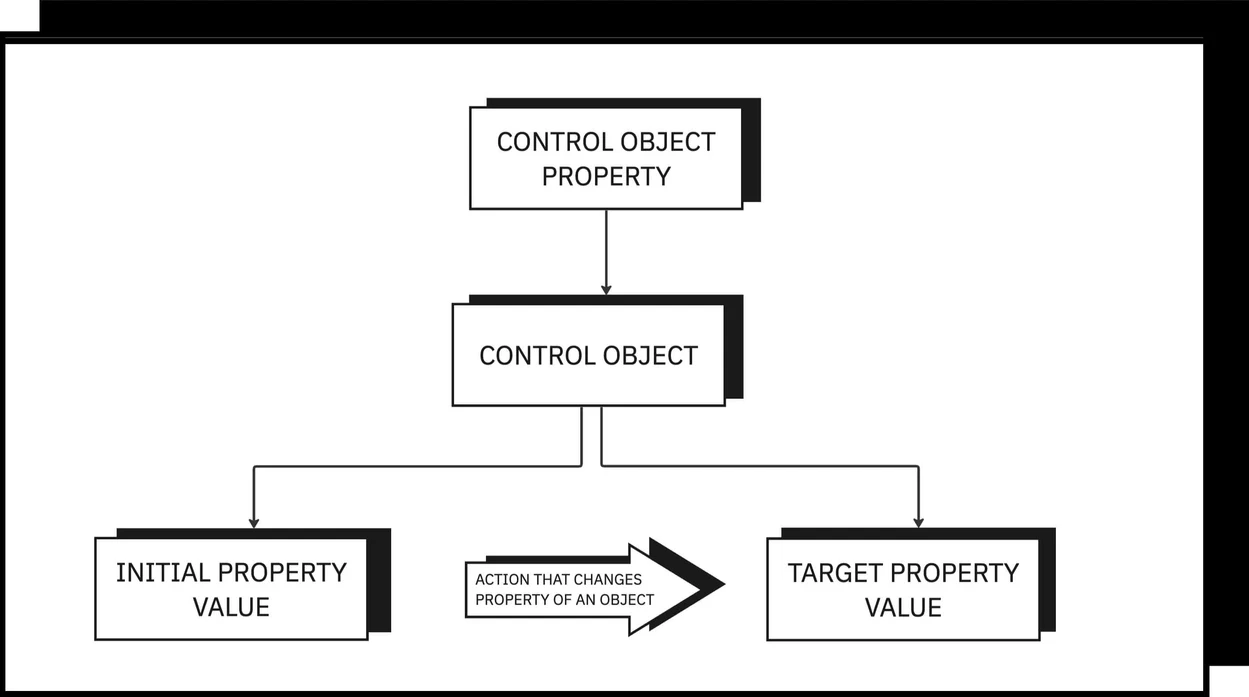
OKR approach scheme
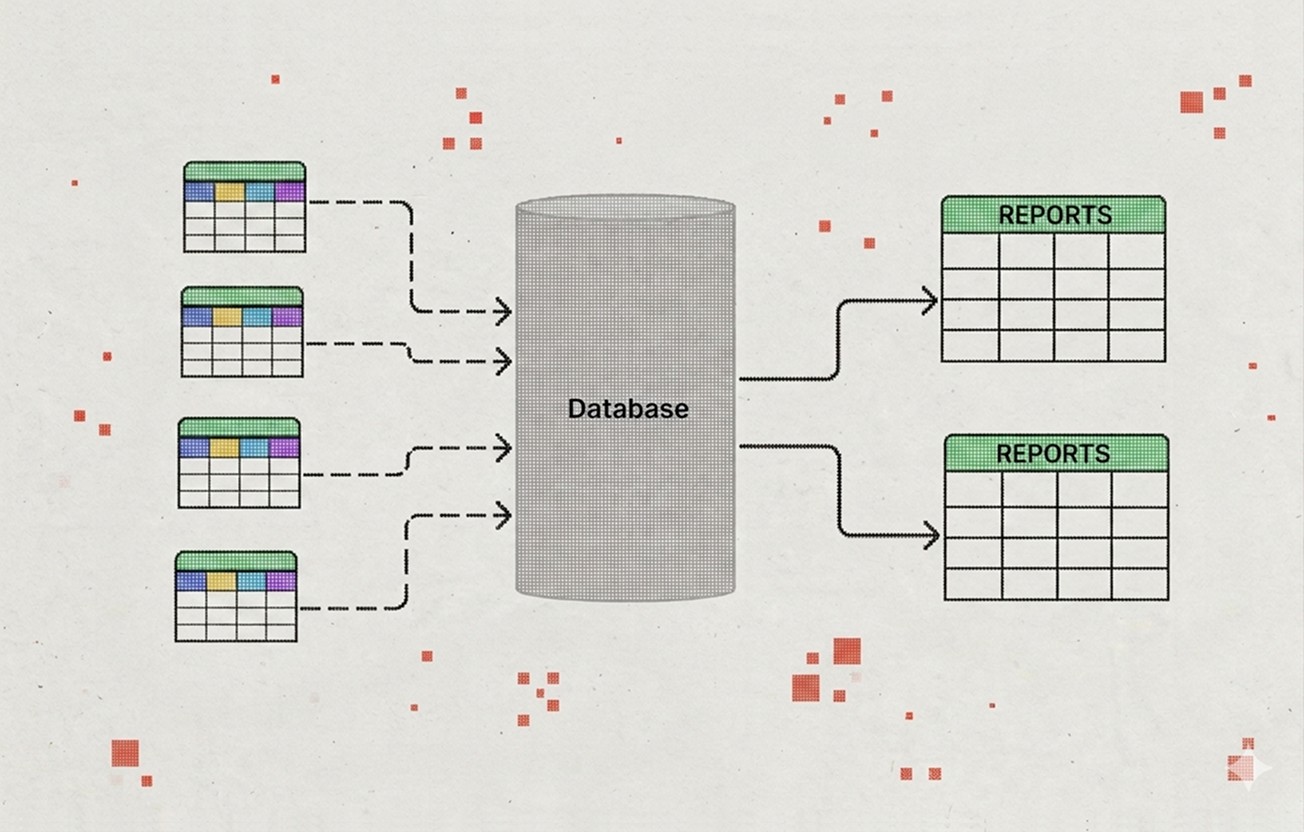
The solution was to build an MVP on Google Spreadsheets as interface and use internal database for collecting historical data.
I choose this solution for three reasons:
The interface of Google Sheets was familiar to HRs
It allowed simple data integration
It allowed to generate needed reports via pivots
Stage 3: Designing the solution
designed a data flow architecture model that connected existing instruments and the internal database. The requirements for the ecosystem were based on technical, security and end-user groups from one side and on my strategic vision of the digital ecosystem on the other.
Then I designed a data input interface for HRs as end-users. The goal was to make an easy-to-use interface sheet, for all offices’ requirements.
I hired a data engineer to execute the project and together we developed a roadmap, which helped us to plan resources and keep all stakeholders inline with the progress.
Within 1 month we succeeded in building the basis for the ecosystem and automating workflows by connecting instruments like Google Workspace
and Slack together, which resulted in manual work and mistakes reduction.
Stage 4: Transformation Begins
After the system was ready to use we launched the transformation process across the HR department.
To engage the stakeholders I conducted several workshops delivering the project vision and communicating tasks. This was followed by ‘how-to’ manuals and Q&A sessions for the audience of 50 people all in all.
Finish Line
Our tool allowed us to train and streamline internal processes faster and cheaper. Additionally, this stage allowed me to dive deeper into current HR processes, and shape stakeholders’ requirements for a future HR system.
Despite initially being tasked with software selection and thanks to the research, I managed to identify specific problem areas, dive deeply into the company's processes, and formulate tasks that were previously quite vague. I prioritized the identified problems and focused on finding solutions for the most important ones.
The temporary solutions that I proposed and developed gave the following results:
30 HR professionals underwent training and practiced process hygiene. They learned to understand the business value of project management.
The decision-making process became 80% more accurate.
The time taken to obtain data decreased from three weeks to 20 minutes.
We saved on payment for HR software for 5 months, before we knew that our processes correlate with the goals.
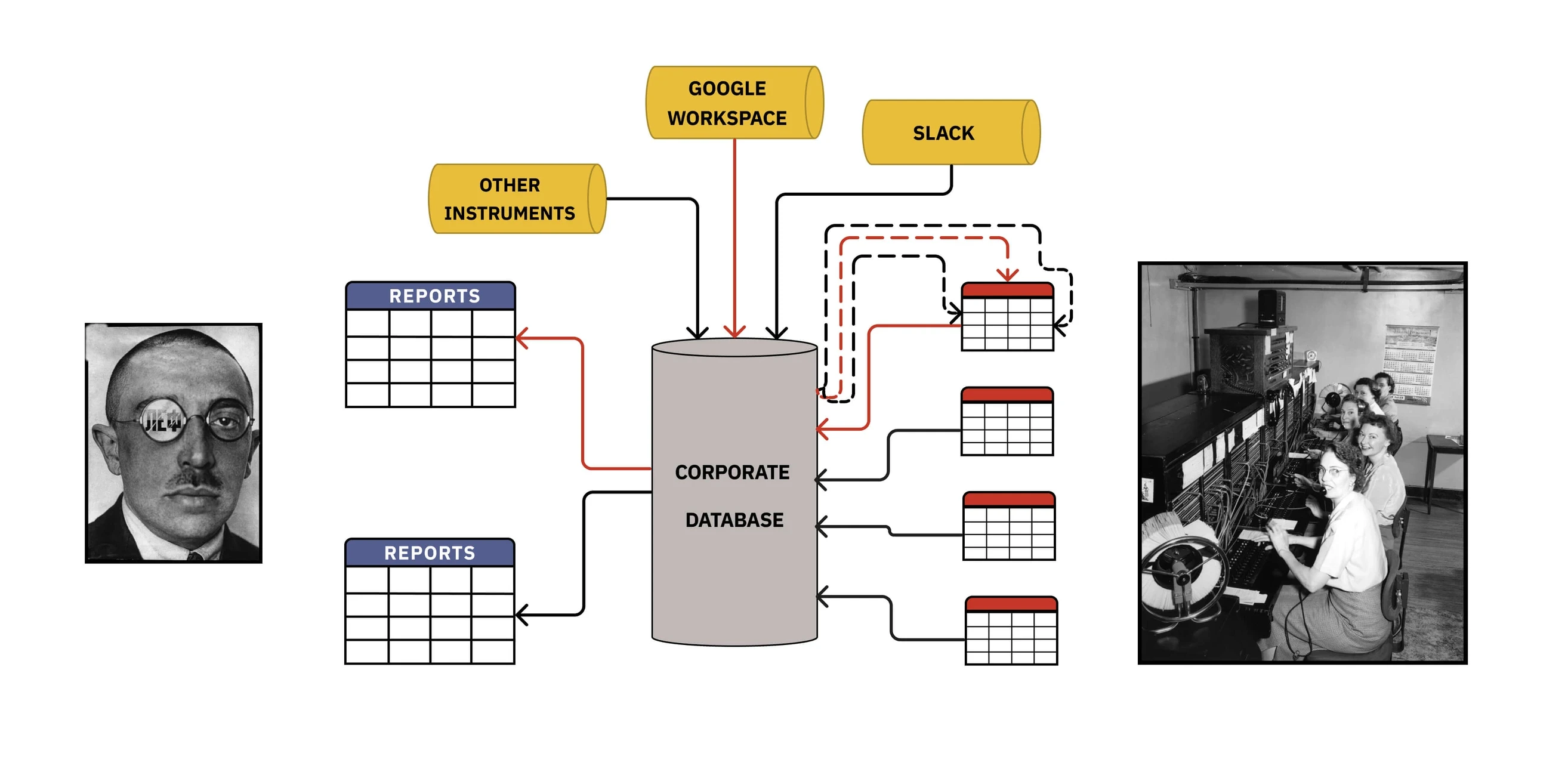
MVP Data flow
Things I learned that are necessary to do:
Follow up the transformation with the team weekly
Check results by comparing them with previous periods
Remind the team why are we doing this
Constantly highlight progress and what value it brings to the process
All this creates a positive culture of change and moves change process forward
Result: I streamlined internal processes and optimized data accuracy by 80%, reducing reporting time from three weeks to 10 minutes and saving five months of software costs through the implementation of high-impact interim solutions and rigorous stakeholder requirement mapping.
Information Architecture
Information Architecture