Onboarding Automation
Every new hire means someone experienced stops their own work to explain the basics — and the more the team grows, the more those hours add up.
Small & Medium Businesses
Information Architecture
Information Architecture
Information Architecture
Information Architecture
Information Architecture
Information Architecture
Information Architecture
Information Architecture
Information Architecture
Information Architecture
☎️ Your time:
✨ My time:
🫰Price:
2–4 weeks
~4–6 hours total
10–18 hours
€500+
"We have a perfectly good onboarding checklist somewhere in Google Drive. The problem is, nobody can find it — and even if they do, half the links are dead."
Client's qoute
Problem
Most companies don't lack onboarding materials — they lack a path through them. There's a shared folder with policies, a Notion page someone started, an outdated slide deck from last year. A new hire gets access to everything at once and a friendly "let us know if you have questions." So they ask. And each person they ask gives a slightly different answer.
Knowledge is distributed, not organized. There's someone on the team who knows which accesses to request first, who to talk to about what, and where the real process documentation lives. That person is a walking wiki — and a single point of failure. When they're on vacation or leave the company, the knowledge leaves with them.
The first week sets expectations. A new employee who spends more time figuring out logistics than contributing starts to wonder whether the company runs this way in general. That impression is hard to undo.
My Role
I'll help organize the knowledge currently scattered across documents, chats, and people's heads into a clear, structured path — from a new employee's first day to the point where they can navigate independently.
Audit: what's current, what's outdated, what's missing
Restructuring existing content for the bot format
Designing the scenario: a step-by-step flow through the first days and weeks
Connecting all materials: where documents live, who to contact, system access instructions
FAQ section — so routine questions stop pulling HR and the team away from their work
Testing with a real new hire and adjusting based on their feedback
A handbook for your team: how to update the bot when processes change
Option: AI mode. Instead of a fixed scenario (or alongside it), the bot can work as "ask a question — get an answer from your documents." This works well when the knowledge base is large and the employee prefers searching to following a linear path. The AI bot is a separate project from the scenario bot — we'll discuss which approach fits your situation, or whether a combination makes sense.
Your Part
A kickoff meeting: how onboarding works now, what roles you're hiring for, what new hires typically struggle with
Existing materials: documents, instructions, links, contacts
Contact details of people involved in onboarding
Access to your chosen messenger platform for bot setup
Participation in testing: reviewing the bot flow before launch
Platform subscription for the bot (if applicable)
The most time-consuming part is usually gathering what's currently in people's heads. You don't need to organize it first — share what you have, and I'll structure it.
Result
А new employee goes through their first days with a clear guide — and can return to it later when they need a refresher.
You get:
A bot in your team's messenger with a step-by-step onboarding scenario
A structured knowledge base: documents, instructions, contacts — linked to stages
An FAQ section that handles routine questions without involving the team
A handbook: how to update the bot when things change
Full access handover: the bot, the platform, all settings stay with you
The onboarding path works the same whether you're bringing on one person or five. Team members no longer need to repeat the same walkthrough each time.
Follow-up session two weeks after launch — to review how the first real onboarding went and adjust what needs adjusting.
Worth thinking about:
A clear internal knowledge base.
The bot delivers information — but that information needs to live somewhere maintained. If your documentation is scattered, this is a good moment to consolidate it.
Role-specific first-week checklists.
The bot handles the general path. But what a new developer needs in week one is different from what a sales hire needs. Even a short checklist per role can make the bot much more useful.
A feedback loop after onboarding.
A short check-in at the end of the first month — what was clear, what was confusing, what was missing — keeps the bot improving over time.
Offboarding
Companies that think about onboarding often forget about the reverse: what happens when someone leaves. Access revocation, knowledge transfer, exit conversations — it's a parallel process worth designing.
Frequently asked questions:
Do you also write the texts?
You know the content — I'll help with structure, format, and presentation. If you need help with the writing itself, we can discuss it as an additional task.
Can we add video to the bot?
Yes, the bot can send videos, images, and infographics. If you already have materials like these, we'll build them into the scenario. If they need to be created, we can discuss that as an additional task.
Who maintains the bot after launch?
I'll hand over a guide and answer your questions. After that, the bot is yours. If you need ongoing support — content updates, new scenarios, technical maintenance — we can arrange that separately.
What if we don't have any materials?
That's fine. We'll start with conversations with your team and together extract what currently lives in people's heads. It may take a bit more time, but it's not an obstacle.
You might also find useful:
All-in-one Database in Google Sheets
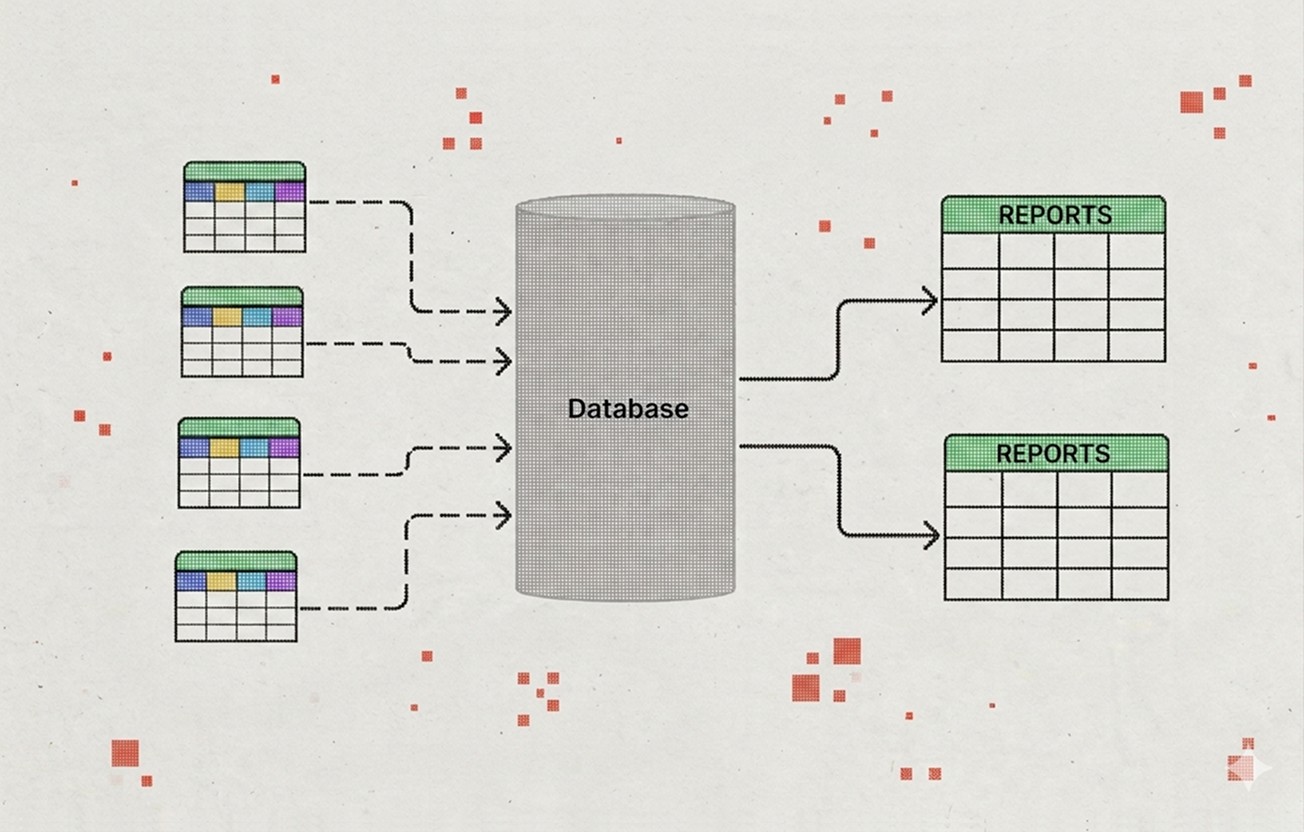
Collecting data manually from scattered folders and formats often leads to outdated results and repetitive tasks, making it difficult to reach timely decisions based on the most current information.
Learn more
Onboarding process for volunteers
Built on a no-code platform: Manychat, SendPulse, or similar
Learn more
Donation page
Integration with donation service depending on your geography, currency, and organisation type.
Learn more